Skip to content
Business Agile
← Work
Web · Independent bookshop, cookbooks and photography · Jun 2020

Appétit

A cookbook shop online, written in spring 2020.

Appétit home page, voucher campaign

Key figures

public site and back-office2 applications
on the public site9 pages
commits across the three repositories280

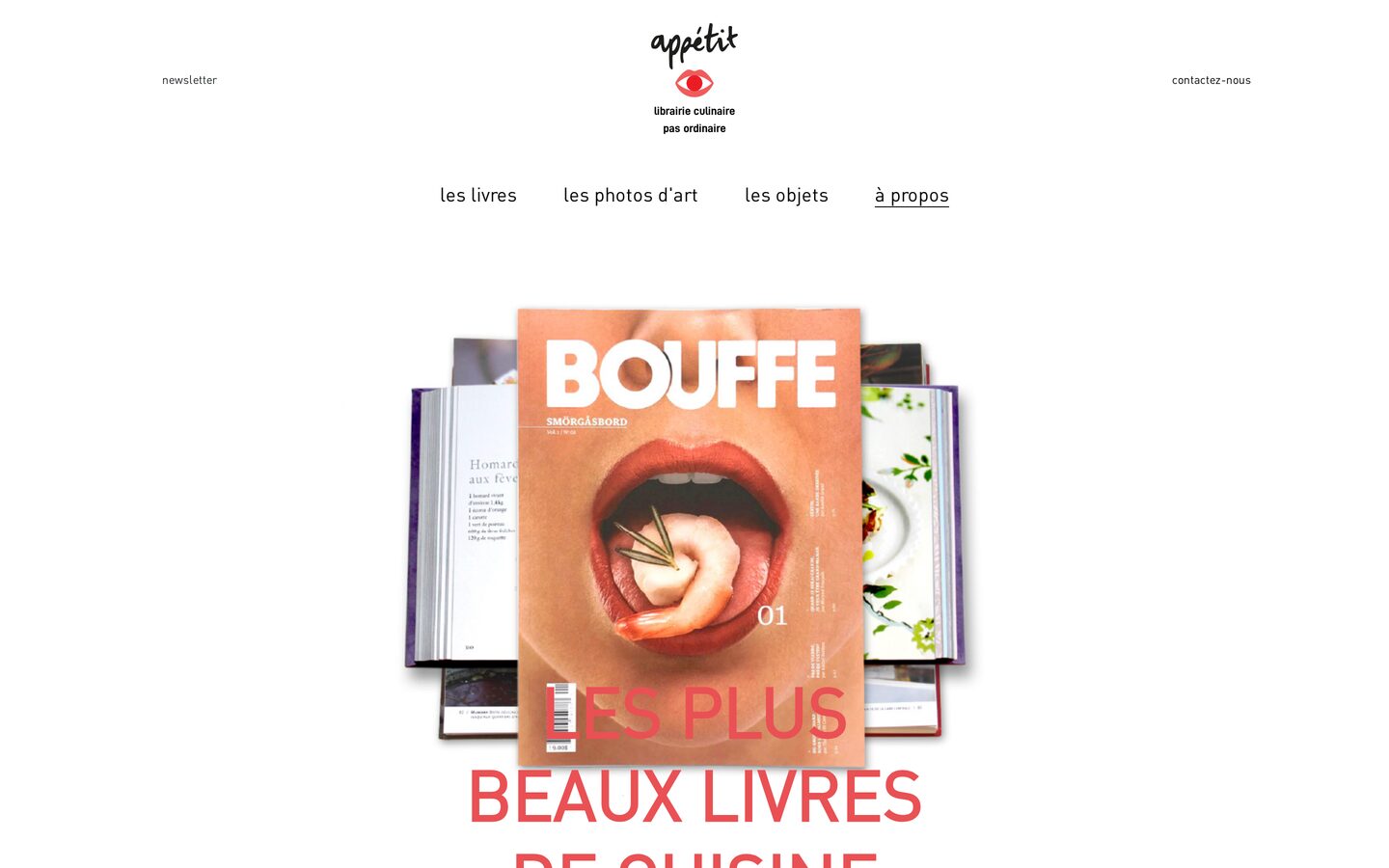
Appétit is a Paris cookbook shop, « pas ordinaire » by its own line. The site presents three sections, the books, the art photographs and the objects, each with its categories and its pages, plus a page about the shop and a newsletter.

In pictures
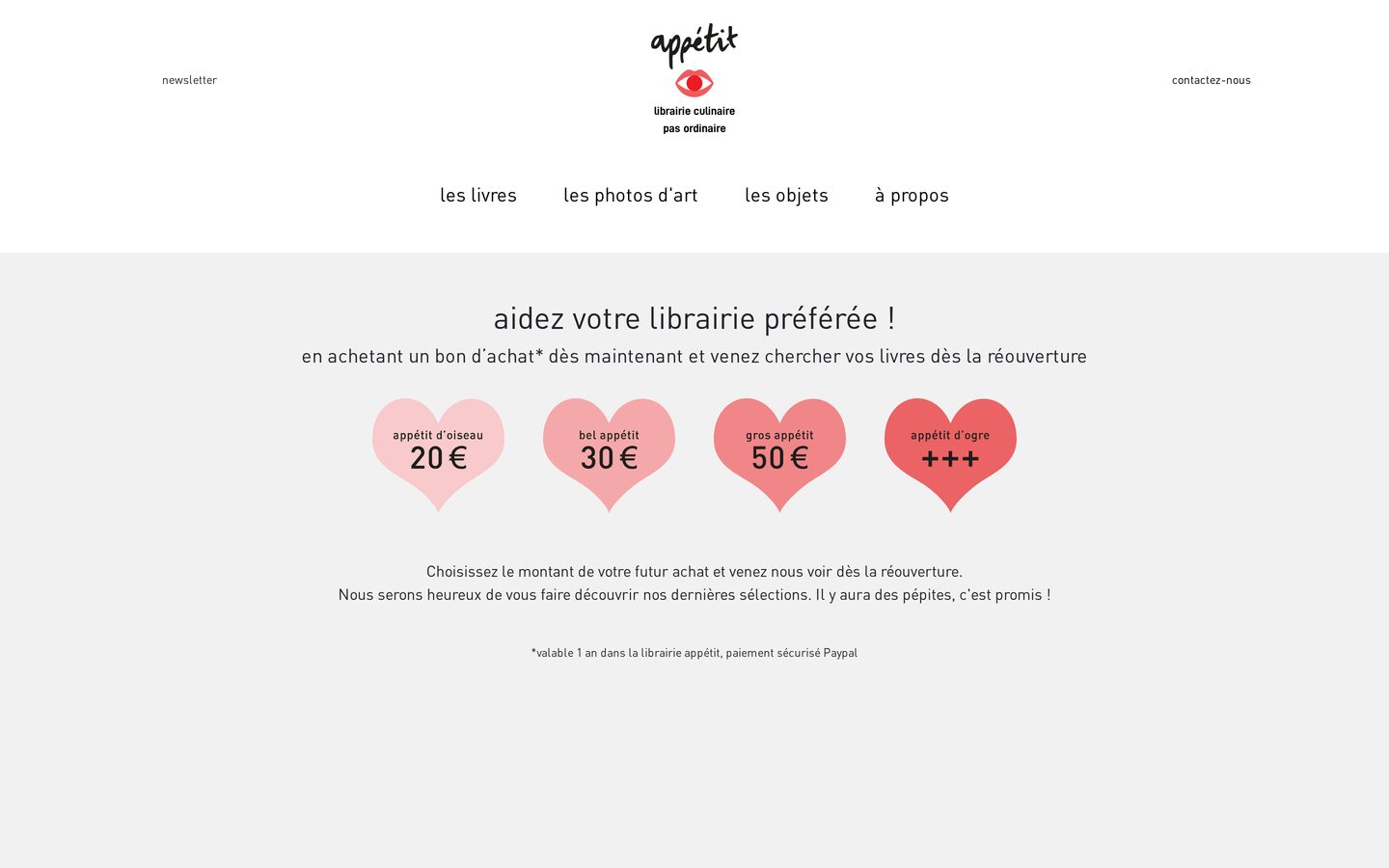
Appétit home page
The spring 2020 voucher campaign, four amounts drawn as hearts, to be spent at reopening.
Appétit about page
The page introducing the shop, rendered by the application with no call to the API.
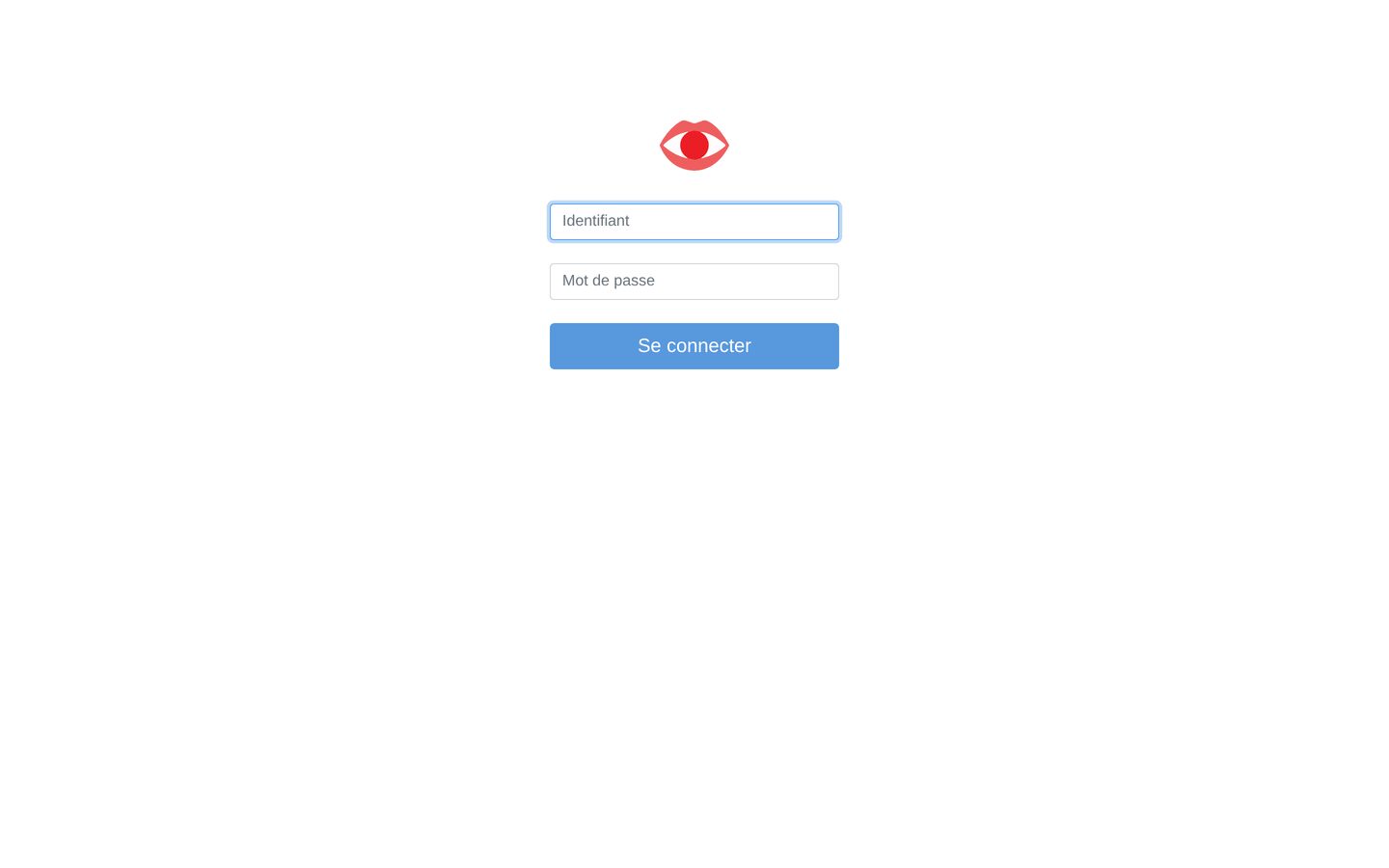
Sign-in screen of the Appétit back-office
The bookseller's back-office. With no API and no account it stops at its sign-in screen: this is the tool, not the shop window.

The project in detail

The home page captured here dates the project to the day: it is the spring 2020 voucher campaign, asking customers to help their favourite bookshop, four amounts drawn as hearts, to be spent when the shop reopened. A retail site written while retail was closed.

The whole thing is two Angular 9 applications and a Django API. The public site renders its editorial pages without depending on the API, which only serves the catalogue. The back-office is the bookseller's own tool: sign in, then manage the books, the photographs, the objects and the galleries. Two hundred and eighty commits between April and June 2020, across the three repositories.

This was how we worked at the time with Duy NGUYEN: he owned the Angular interfaces, I owned the Django API, each in its own repository, each with its Docker image and its deployment file. Both applications still rebuild today with their original toolchain, without a line being changed.

What was done

  1. 01

    Three sections: the books, the art photographs, the objects

  2. 02

    Dedicated back-office for the catalogue and the galleries

  3. 03

    Editorial pages rendered without depending on the API

  4. 04

    280 commits between April and June 2020

Frequently asked questions

Does an Angular site stay readable without its API?

It depends what you put in it. On Appétit the editorial pages live in the application and render fully with no data server; only the catalogue goes through the API. Six years later the site rebuilds and displays in full.

Why ship a back-office rather than a simple admin form?

Because the person running the shop has to be able to work alone. Appétit had its own tool: sign in, books, photographs, objects, galleries, with no need to call the developer to add a title.

Other work

A project? Let's talk this week.

A short brief, an answer within 48 hours, a firm estimate after scoping.

Describe my project